Of course! Here is a comprehensive guide to creating a "Summer Vacation Life" (暑假生活) mind map in English, including the core structure, vocabulary, and a visual example.
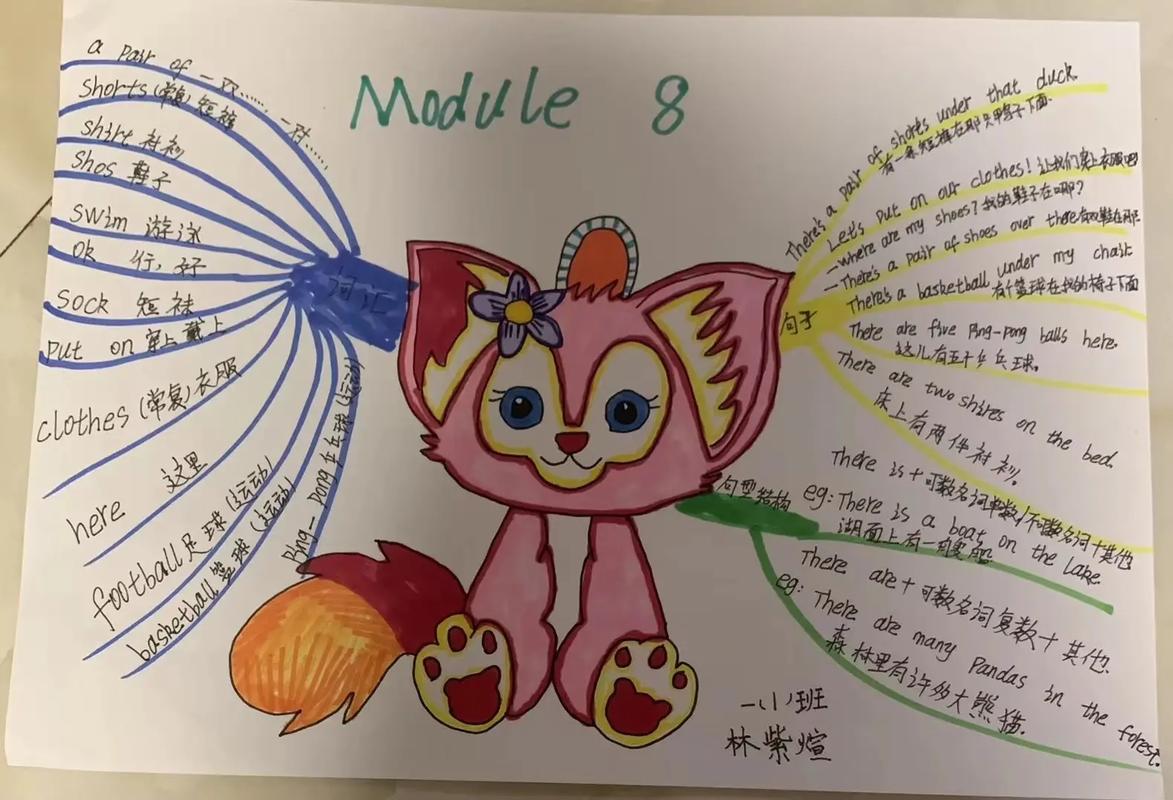
(图片来源网络,侵删)
Part 1: The Core Structure of the Mind Map
A mind map starts with a central idea and branches out into related topics. For "Summer Vacation Life," the structure could look like this:
- Central Idea (核心主题): Summer Vacation Life
- Main Branches (主要分支): These are the key categories of your summer life.
- Learning & Growth (学习与成长)
- Fun & Activities (娱乐与活动)
- Travel & Exploration (旅行与探索)
- Rest & Relaxation (休息与放松)
- Social Life (社交生活)
- Skills & Hobbies (技能与爱好)
Part 2: Vocabulary & Phrases for Each Branch
Here is a list of useful English words and phrases you can use for each main branch.
Learning & Growth (学习与成长)
- Reading: Read novels, English books, magazines.
- Online Courses: Learn a new language (e.g., Spanish, Japanese), programming, coding.
- Academic Prep: Prepare for the new semester, review last semester's material.
- Skill Building: Public speaking, critical thinking, time management.
- Vocabulary:
novel,non-fiction,e-book,audiobook,online course,MOOC(Massive Open Online Course),brush up on(复习),get a head start(提前开始).
Fun & Activities (娱乐与活动)
- Movies & TV: Watch blockbusters, binge-watch a TV series, go to the cinema.
- Music: Listen to music, learn to play an instrument (e.g., guitar, piano), attend a concert.
- Games: Play video games, board games, card games with family.
- Outings: Go to an amusement park, a water park, or a zoo.
- Vocabulary:
blockbuster,binge-watch,concert,amusement park,water park,zoo,board games.
Travel & Exploration (旅行与探索)
- Family Trips: Go on a family vacation to the beach, the mountains, or a big city.
- Road Trips: Drive to a nearby scenic spot.
- Camping: Go camping under the stars.
- Day Trips: Visit a nearby museum, a historical site, or a friend's city.
- Vocabulary:
family vacation,beach resort,mountain getaway,road trip,scenic spot,camping,hiking,backpacking,historical site.
Rest & Relaxation (休息与放松)
- Sleep: Catch up on sleep, take a nap in the afternoon.
- Hobbies: Gardening, drawing, painting, photography.
- Mindfulness: Do yoga, meditate, practice mindfulness.
- Chilling: Simply do nothing, relax at home with a cup of tea.
- Vocabulary:
catch up on sleep,take a nap,hobby,yoga,meditation,mindfulness,unwind(放松),recharge(充电).
Social Life (社交生活)
- Friends: Hang out with friends, have a sleepover, go shopping.
- Family: Have a family dinner, watch a movie together, visit relatives.
- Part-time Job: Do a part-time job to gain work experience and earn some money.
- Volunteering: Volunteer at a local community center or animal shelter.
- Vocabulary:
hang out,sleepover,part-time job,internship(实习),volunteer,community service,bonding(增进感情).
Skills & Hobbies (技能与爱好)
- Sports: Learn to swim, play basketball, tennis, or go cycling.
- Cooking/Baking: Try new recipes, bake cookies or a cake.
- Art: Learn digital art, painting, or calligraphy.
- Technology: Learn video editing, graphic design, or build a website.
- Vocabulary:
new skill,master(掌握),recipe,video editing,graphic design,swimming strokes(游泳姿势),cycling.
Part 3: Visual Example of the Mind Map
Here is a text-based representation of what your mind map could look like. You can draw this on paper or use a digital tool like XMind, MindMeister, or Miro.
                                    +-----------------------------+
                                    |   Summer Vacation Life      |
                                    +-----------------------------+
                                             /         |         \
                                            /          |          \
                           +----------------+   +----------------+   +-----------------+
                           | Learning &     |   | Fun &          |   | Travel &       |
                           | Growth         |   | Activities     |   | Exploration    |
                           +----------------+   +----------------+   +-----------------+
                           | - Read novels  |   | - Movies       |   | - Family trip  |
                           | - Online       |   | - Concerts     |   | - Road trip    |
                           |   courses     |   | - Games        |   | - Camping      |
                           | - Prep for     |   | - Amusement    |   | - Hiking       |
                           |   school      |   |   park         |   | - Visit museum |
                           +----------------+   +----------------+   +-----------------+
                                             /         |         \
                                            /          |          +
                           +----------------+   +----------------+   +-----------------+
                           | Rest &         |   | Social Life    |   | Skills &       |
                           | Relaxation     |   |                |   | Hobbies        |
                           +----------------+   +----------------+   +-----------------+
                           | - Sleep in     |   | - Hang out     |   | - Learn to     |
                           |   late        |   |   with friends |   |   swim         |
                           | - Yoga         |   | - Family       |   | - Cooking      |
                           | - Gardening    |   |   dinner       |   | - Play guitar  |
                           | - Do nothing   |   | - Part-time    |   | - Video        |
                           |               |   |   job          |   |   editing      |
                           +----------------+   +----------------+   +-----------------+
Part 4: Tips for Creating Your Own Mind Map
- Use Keywords: Don't write full sentences. Use single words or short phrases to keep it clean and easy to read.
- Use Colors: Assign a different color to each main branch. This helps your brain organize the information better.
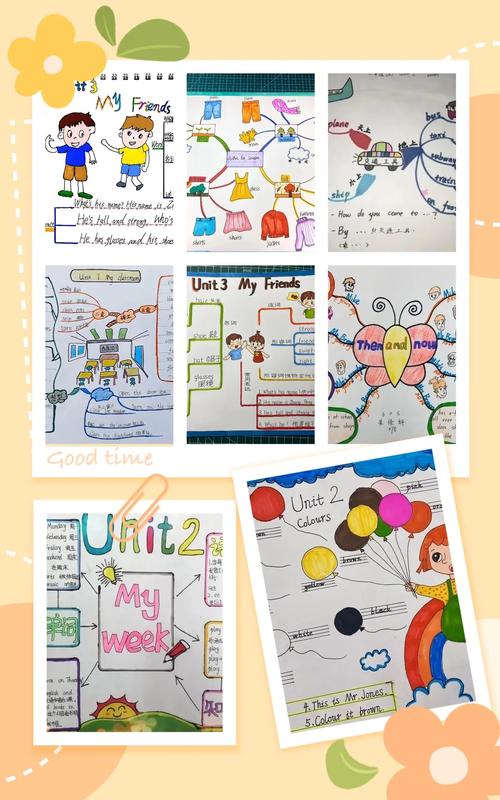
- Add Images: If you're drawing by hand, add small icons or drawings next to the words (e.g., a book for "Reading," a plane for "Travel").
- Be Creative: This is your mind map! Feel free to add branches that are personal to you, like "Food Adventures" (try new restaurants) or "Fitness Goals" (go to the gym).
- Set Goals: You can turn your mind map into a plan. For example, under "Reading," you could write a goal: "Finish 3 books."
By following this structure and vocabulary, you can create a detailed and colorful mind map that perfectly represents your ideal or past summer vacation in English. Good luck
(图片来源网络,侵删)
(图片来源网络,侵删)