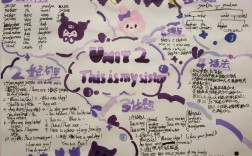
英语三大从句思维导图
中心主题:英语三大从句
核心思想: 从句在句子中充当一个句子成分(如主语、宾语、表语、定语、状语),不能独立成句,必须依附于主句。
第一分支:名词性从句
核心功能: 在句子中充当名词,可以作主句的主语、宾语、表语或同位语。 连接词分类:
- 连接词: that, whether, if
- 连接代词: who, whom, whose, what, which
- 连接副词: when, where, why, how
子分支 1.1:主语从句
- 功能: 充当整个句子的主语。
- 连接词:
- that: 无实际意义,只起连接作用,不能省略。
- whether/if: “是否”,引导主语从句时,只能用
whether。 - what, who, how...: 含有疑问意义,但语序是陈述句语序。
- 关键点:
- 常用 it 作形式主语,将从句后置。
- 例句:
That he will come is certain.(他将来是肯定的。)It is uncertain whether he will come.(他是否会来还不确定。)What he said surprised everyone.(他所说的话让所有人都很惊讶。)
子分支 1.2:宾语从句
- 功能: 作动词、介词或形容词的宾语。
- 连接词:
- that: 可省略(动词宾语从句中常见)。
- whether/if: “是否”,常接在
ask, know, wonder, see等动词后。 - what, who, how...: 含有疑问意义。
- 关键点:
- 时态一致性: 如果主句是过去时,从句通常用过去的某种时态。
- 语序: 必须用陈述句语序。
- 例句:
- I know
(that) he is right.(我知道他是对的。) - She asked me
if/whether I could help her.(她问我是否能帮她。) - I am interested in
what you are doing.(我对你在做的事情感兴趣。)
- I know
子分支 1.3:表语从句
- 功能: 放在系动词(如
be, seem, look)后面,作表语,说明主语的内容。 - 连接词:
- that: 无实际意义,不可省略。
- what, why, how...: 含有疑问意义。
- because: 表示原因。
- 关键点:
语序是陈述句语序。
- 例句:
- The truth is
that he lied to us.(真相是他对我们撒了谎。) - The question is
how we can solve the problem.(问题是我们如何能解决这个问题。) - The reason is
because he was ill.(原因是他病了。)
- The truth is
子分支 1.4:同位语从句
- 功能: 对前面的抽象名词(如
idea, fact, news, thought, hope)进行具体解释或说明。 - 连接词:
- that: 只能用
that,无实际意义,不可省略。
- that: 只能用
- 关键点:
- 与定语从句的区别:
- 同位语从句:
that不作任何成分,只起连接作用,且that不能用which替换。 - 定语从句:
that/which在从句中作主语或宾语。
- 同位语从句:
- 与定语从句的区别:
- 例句:
- The news
that he won the gameis exciting. (他赢得比赛的消息令人兴奋。) -> 解释news的内容。 - The fact
that the earth is roundis well-known. (地球是圆的这个事实是众所周知的。)
- The news
第二分支:定语从句
核心功能: 修饰名词或代词,相当于一个形容词,被修饰的词叫 先行词。
结构: 先行词 + 关系词 + 从句
子分支 2.1:关系词
- 关系代词:
- that: 指物或人,在从句中作主语或宾语。
- which: 指物,在从句中作主语或宾语。
- who: 指人,在从句中作主语。
- whom: 指人,在从句中作宾语(非正式口语中常用
who或省略)。 - whose: 指人或物,在从句中作定语,表示“……的”。
- 关系副词:
- when: 指时间,在从句中作时间状语(=介词 + which)。
- where: 指地点,在从句中作地点状语(=介词 + which)。
- why: 指原因,在从句中作原因状语(=介词 + which,常用于
reason后)。
子分支 2.2:分类
- 限制性定语从句:
- 作用: 定义先行词,如果去掉,主句意思不完整或改变。不用逗号与主句隔开。
- 关系词: 可用
that,作宾语时可省略。 - 例句: The student
who answered the questionis my brother. (回答问题的那个学生是我哥哥。)
- 非限制性定语从句:
- 作用: 对先行词进行补充说明,如果去掉,主句意思仍然完整。必须用逗号与主句隔开。
- 关系词: 不可用
that,作宾语时不可省略。 - 例句: My brother,
who lives in Beijing, is a doctor. (我哥哥,他住在北京,是一名医生。)
子分支 2.3:关键点
- 关系词的选择:
- 看先行词: 指人还是物?
- 看关系词在从句中的成分: 是作主语、宾语、定语还是状语?
- 介词 + 关系代词:
- 结构:
名词/代词 + 介词 + which/whom - 注意: 介词的选择取决于从句的动词或固定搭配。
- 结构:
- as引导的定语从句:
- 常与
such...as,the same...as连用。 - 独立使用时,常译为“正如……”,可放在句首、句中或句末。
- 常与
第三分支:状语从句
核心功能: 在句子中作状语,修饰主句的动词、形容词或副词,说明时间、地点、原因、目的、结果、条件、让步、比较等。 特点: 由从属连词引导。
子分支 3.1:按意义分类
| 类型 | 连接词 | 功能 | 例句 |
|---|---|---|---|
| 时间状语从句 | when, while, as, before, after, since, until/till, as soon as | 说明动作发生的时间 | I will call you when I arrive. |
| 地点状语从句 | where, wherever | 说明动作发生的地点 | Where there is a will, there is a way. |
| 原因状语从句 | because, since, as, for | 说明动作发生的原因 | He was late because he missed the bus. |
| 目的状语从句 | so that, in order that, for fear that | 说明动作的目的 | He got up early so that he could catch the train. |
| 结果状语从句 | so...that, such...that | 说明动作的结果 | He was so tired that he fell asleep. |
| 条件状语从句 | if, unless, as long as, provided that | 说明动作发生的条件 | If it rains, we will stay at home. |
| 让步状语从句 | although/though, even though/if, while, as, no matter... | 表示“尽管,即使” | Although it was raining, we went out. |
| 比较状语从句 | than, as...as, the more...the more... | 表示比较 | She is taller than her sister. |
| 方式状语从句 | as, as if, as though | 表示动作的方式 | He looked as if he were angry. |
子分支 3.2:关键点
- 时态一致性: 如果主句是将来时,时间、条件、让步状语从句常用 现在时 表示将来。
- 错误:
I will call you if he will come.-> 正确:I will call you if he comes.
- 错误:
- 特殊连接词:
- because vs. because of:
because后跟从句,because of后跟名词/代词。 - so...that vs. such...that:
so + 形容词/副词 + that...such + (a/an) + 形容词 + 名词 + that...
- if vs. unless:
unless = if not。
- because vs. because of:
总结与对比
| 从句类型 | 核心功能 | 引导词特点 | 在句中的作用 |
|---|---|---|---|
| 名词性从句 | 充当名词成分 | 连接词/代词/副词 | 主语、宾语、表语、同位语 |
| 定语从句 | 修饰名词/代词 | 关系词 | 形容词(作定语) |
| 状语从句 | 修饰动词/形容词/副词 | 从属连词 | 副词(作状语) |
希望这个思维导图能帮助你清晰地构建英语从句的知识体系!